Best Running Watches & GPS Watches 2026: The Ultimate Guide
A comprehensive comparison of the best GPS running watches for beginners to advanced marathoners. From Garmin to COROS to Apple -- find your perfect training partner.
A dedicated GPS running watch is one of the most impactful investments a runner can make, whether you're training for your first 5K or chasing a marathon personal best. Unlike smartphones, running watches provide real-time pace, distance, and heart rate data right on your wrist -- without the bulk, battery drain, or distraction of carrying a phone. Modern running watches have evolved far beyond simple GPS trackers: they now offer advanced training metrics like VO2 max estimates, training readiness scores, race predictors, and even real-time running dynamics that analyze your cadence, ground contact time, and vertical oscillation.
The 2026 running watch market is dominated by three major players: Garmin (the undisputed leader in dedicated running watches), COROS (the rising challenger with incredible battery life and value), and Polar (the pioneer in heart rate training science). Apple Watch continues to attract casual runners with its unmatched smartwatch features and ecosystem integration, though it lacks the depth of training metrics that serious runners demand. In this guide, we've tested and compared the six best running watches available today to help you find the perfect match for your training style and budget.
To get the most out of your running watch data, check out our pace calculator for converting between pace and speed, and our heart rate zone calculator to optimize your training intensity based on your watch's heart rate readings.
I nostri esperti hanno selezionato
The 6 Best Running Watches 2026
Aggiornato Febbraio 2026 · Testati e verificati

Garmin Forerunner 265
💡 Perché lo consigliamo
GPS running watch with AMOLED display, training readiness, race predictor, and advanced running dynamics

Garmin Forerunner 55
GPS running watch with daily suggested workouts, PacePro, heart rate monitoring, and 2-week battery life
🔗 Amazon affiliate link — support CalcFast at no extra cost
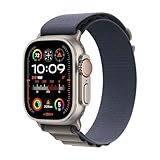
Apple Watch SE 2nd Gen
Smartwatch with GPS, crash detection, heart rate monitoring, and deep Apple ecosystem integration
🔗 Amazon affiliate link — support CalcFast at no extra cost
COROS PACE 3
Lightweight GPS sport watch with dual-frequency GPS, 24-day battery, and training load metrics
🔗 Amazon affiliate link — support CalcFast at no extra cost
Polar Pacer
GPS running watch with Training Load Pro, FuelWise fueling assistant, and running performance tests
🔗 Amazon affiliate link — support CalcFast at no extra cost

Garmin Venu 3
GPS smartwatch with AMOLED display, body battery, sleep coach, wheelchair mode, and music storage
🔗 Amazon affiliate link — support CalcFast at no extra cost
🔗 Amazon affiliate link — support CalcFast at no extra cost
Detailed Reviews: Our Top Picks
1. Garmin Forerunner 265 -- Best Overall Running Watch
The Garmin Forerunner 265 is the running watch we recommend to most runners, from serious beginners to experienced marathoners. The gorgeous AMOLED display is a game-changer -- colors pop, text is crisp even in sunlight, and the always-on mode is actually usable. Under the hood, you get Garmin's full suite of training features: Training Readiness score (combines sleep, recovery, training load, and HRV to tell you how ready you are to train), Morning Report (daily briefing of your metrics), Race Predictor, Daily Suggested Workouts, and Running Dynamics with the optional HRM-Pro strap. Multi-band GPS delivers excellent accuracy in all environments. Music storage for Spotify, Amazon Music, and Deezer means you can leave your phone at home. Battery life is solid at ~13 days smartwatch / 20 hours GPS -- not class-leading, but more than adequate for daily training.
2. Garmin Forerunner 55 -- Best Budget Garmin
The Garmin Forerunner 55 proves you don't need to spend $350+ to get an excellent running watch. At $199, it delivers the core Garmin experience: reliable GPS tracking, wrist-based heart rate, Daily Suggested Workouts that adapt to your fitness level, PacePro pacing strategy, and Garmin's race predictor. The MIP display is crisp and perfectly readable in sunlight, and the battery lasts an impressive 2 weeks in smartwatch mode and 20 hours in GPS mode. It lacks the AMOLED screen, multi-band GPS, music storage, and some advanced metrics of the 265, but for most recreational runners, the 55 covers everything you actually need. It's also lighter and more comfortable for all-day wear. The perfect first running watch that you won't outgrow quickly.
3. Apple Watch SE 2nd Gen -- Best for iPhone Users Who Run Casually
The Apple Watch SE isn't a running watch -- it's a smartwatch that happens to be decent for running. And for many casual runners, that's exactly what they want. The Apple ecosystem integration is unmatched: iMessage notifications, Apple Pay, Apple Fitness+, Health app integration, crash detection, and a beautiful OLED display. For running, it provides GPS tracking, heart rate, pace, and basic workout metrics through the Workout app or third-party apps like Nike Run Club, Strava, and WorkOutDoors. What it lacks compared to dedicated running watches is substantial: no multi-band GPS, no VO2 max trending, no training load, no recovery advisor, no running dynamics, and crucially, the battery barely lasts a day. If you run 3-4 times a week and want a smartwatch first and running watch second, the Apple Watch SE fits. If running is your primary use case, look elsewhere.
4. COROS PACE 3 -- Best Value for Serious Runners
The COROS PACE 3 is the watch that's giving Garmin sleepless nights. At just $229, it offers dual-frequency GPS, an insane 24-day battery life (38 hours in GPS mode), and a comprehensive training platform that rivals watches twice its price. The COROS Training Hub provides training load, stamina tracking, base fitness, race predictor, and structured workout support. The watch weighs just 39g with the nylon band -- one of the lightest GPS watches ever made. GPS accuracy with dual-frequency is excellent, often matching or beating the Garmin Forerunner 265 in tests. The ecosystem is still growing (smaller app store, fewer integrations), and the display is a standard MIP rather than AMOLED, but the value proposition is extraordinary. If battery life and accuracy matter most to you, the PACE 3 is hard to beat.
5. Polar Pacer -- Best for Heart Rate Training
Polar invented heart rate training in the 1980s, and the Polar Pacer carries that legacy forward with what may be the most sophisticated training platform in this price range. Training Load Pro breaks your load into cardio, muscle, and perceived categories -- giving you a more nuanced picture than competitors' single-number approach. FuelWise is a smart fueling assistant that reminds you when to eat and drink during long runs based on your intensity and duration. Running Performance Test estimates your VO2 max and running economy without a lab. The Polar Flow app and web platform are excellent for analyzing training data, and Polar's Sleep Plus Stages tracking is among the best in the business. GPS accuracy is good (single-band) and battery life is solid at ~35 hours GPS. The Pacer is the thinking runner's watch -- less flashy than Garmin, but deeply thoughtful in its approach to training science.
6. Garmin Venu 3 -- Best Smartwatch for Runners
If you want the best of both worlds -- a full smartwatch AND a serious running tool -- the Garmin Venu 3 is your answer. The stunning 1.4" AMOLED touchscreen is the best display Garmin has ever made, with vibrant colors and smooth animations that rival the Apple Watch. It runs Garmin's complete training platform including Training Readiness, Body Battery, Sleep Coach, and all the running metrics you'd find on the Forerunner line. Unique features include a built-in speaker and microphone for taking calls from your wrist (a first for Garmin), music storage for Spotify and Amazon Music, Garmin Pay, and a wheelchair mode. Battery life is good for an AMOLED smartwatch at ~14 days. The trade-off is the price ($449) and slightly larger/heavier form factor compared to dedicated running watches. But if you want one watch that does everything well, this is it.
Comparison Table: Running Watches 2026
| Model | Price | GPS | Display | Battery (GPS) | Rating |
|---|---|---|---|---|---|
| Garmin Forerunner 265 | $349.99 | Multi-band | AMOLED | 20 hours | ⭐ 9.5/10 |
| Garmin Forerunner 55 | $199.99 | Single-band | MIP | 20 hours | ⭐ 8.8/10 |
| Apple Watch SE | $249.00 | Single-band | OLED | ~7 hours | ⭐ 7.5/10 |
| COROS PACE 3 | $229.99 | Dual-freq | MIP | 38 hours | ⭐ 9.3/10 |
| Polar Pacer | $199.99 | Single-band | MIP | 35 hours | ⭐ 8.7/10 |
| Garmin Venu 3 | $449.99 | Multi-band | AMOLED | 26 hours | ⭐ 9.1/10 |
Frequently Asked Questions About Running Watches
Do I really need a running watch, or can I just use my phone?
While running apps on smartphones work in a pinch, a dedicated running watch offers significant advantages: real-time pace and heart rate on your wrist without pulling out your phone, far better GPS accuracy (especially with multi-band), continuous heart rate monitoring for training zones, lighter weight, and no worry about dropping or damaging an expensive phone. Most runners who switch to a GPS watch never go back to phone-only tracking.
What's the best running watch for beginners?
The Garmin Forerunner 55 ($199) is our top pick for beginners. It offers everything a new runner needs -- GPS, heart rate, pace alerts, Daily Suggested Workouts, and a 2-week battery -- without overwhelming you with advanced metrics you don't yet need. The COROS PACE 3 ($229) is also excellent if you want slightly more features and incredible battery life. Avoid the temptation to overspend on your first watch; you can always upgrade as your running evolves.
How accurate is wrist-based heart rate on running watches?
Modern optical heart rate sensors are surprisingly accurate for steady-state running, typically within 2-5 BPM of a chest strap. However, accuracy drops during high-intensity intervals, in cold weather (poor blood flow to wrist), and with watches worn loosely. For serious heart rate zone training, pair your watch with a chest strap like the Garmin HRM-Pro or Polar H10. Use our heart rate zone calculator to set up your zones properly.
Is multi-band GPS really worth the extra cost?
If you primarily run on open roads or tracks, single-band GPS is perfectly fine. But if you regularly run in cities with tall buildings, dense forests, or mountain trails, multi-band GPS makes a noticeable difference in accuracy and consistency. The Forerunner 265 and COROS PACE 3 both offer multi-band GPS, and it's one of their strongest selling points. For trail runners, multi-band is essentially a must-have.
How do I calculate my running pace and target times?
Your running watch will display real-time pace during workouts, but for planning training paces and race goals, our pace calculator is invaluable. Enter your recent race time to get predicted finish times for other distances, or calculate the pace you need to hit a specific goal time. Combine this with your watch's Training Readiness and Race Predictor for the most accurate planning.
How long do running watches typically last?
A quality running watch from Garmin, COROS, or Polar will typically last 3-5 years before the battery degrades noticeably or software updates stop. The rechargeable battery will slowly lose capacity over time (expect about 80% capacity after 2-3 years of daily charging). Garmin watches hold their value well on the resale market. To maximize lifespan, avoid extreme temperatures, keep the firmware updated, and clean the sensors regularly.