Best Fitness Trackers & Smartwatches 2026
A fitness tracker or smartwatch is the single most impactful tool for staying accountable to your health goals. Modern wearables go far beyond counting steps--they monitor heart rate 24/7, track sleep stages, measure blood oxygen levels, provide GPS mapping for runs, and even detect irregular heart rhythms. Whether you're a casual walker, a marathon runner, or someone simply trying to move more, there's a perfect wearable for your wrist and budget.
The fitness tracker market in 2026 offers remarkable choice. Budget bands under $40 now include AMOLED screens and weeks-long battery life. Mid-range options from Fitbit and Amazfit balance features with affordability. And premium smartwatches from Apple, Samsung, and Garmin deliver comprehensive health platforms that rival medical devices. We've evaluated the top fitness wearables based on accuracy, battery life, app ecosystem, comfort, and value for money. This guide helps you cut through the marketing and find the tracker that'll actually stay on your wrist.
Pair your fitness tracker with our Calorie Calculator and TDEE Calculator to optimize your nutrition alongside your activity data.
How to Choose the Right Fitness Tracker
Not every wearable suits every lifestyle. Here's how to narrow down your options:
- Purpose: Casual fitness tracking needs a simple band. Running and cycling demand built-in GPS. Smartwatch features (calls, apps, payments) require a full smartwatch.
- Battery Life: Fitness bands last 7-21 days. GPS smartwatches last 2-7 days. Apple Watch lasts about 18-36 hours. Decide what charging frequency you'll tolerate.
- Display: AMOLED displays are vibrant and easy to read outdoors. LCD and MIP displays save battery. Larger screens are better for data-heavy workouts.
- Health Sensors: Heart rate is standard. SpO2 (blood oxygen), skin temperature, and ECG are available on premium models. Decide which metrics matter for your health goals.
- Phone Compatibility: Apple Watch requires iPhone. Samsung watches work best with Galaxy phones. Fitbit, Garmin, Xiaomi, and Amazfit work with both iOS and Android.
- Comfort & Design: You'll wear it 24/7 including sleep. Lighter, slimmer designs are more comfortable. Interchangeable bands offer style flexibility.
- Water Resistance: Most modern trackers are 5ATM water-resistant (swim-safe). Check if swimming tracking is included for pool workouts.
- Budget: Set your budget first. The best $35 tracker (Xiaomi Band 9) delivers 80% of the features of a $400 smartwatch for daily fitness tracking.
Top 7 Fitness Trackers -- Detailed Reviews
1. Fitbit Charge 6
The Fitbit Charge 6 is the best dedicated fitness tracker for most people. It packs built-in GPS, continuous heart rate monitoring, an SpO2 sensor, stress management tools, and over 40 exercise modes into a slim, comfortable band. The integration with Google services (Maps, Wallet) adds smartwatch-like convenience without the bulk. The Fitbit app remains one of the best for visualizing health trends. Battery lasts about 7 days with typical use. It's the ideal middle ground between a basic band and a full smartwatch.
Pros: Built-in GPS, excellent health tracking, Google integration, 7-day battery, comfortable.
Cons: Small screen, Fitbit Premium pushed aggressively, limited app ecosystem.
2. Garmin Venu 3
Garmin's Venu 3 is the ultimate fitness smartwatch for serious athletes who also want smart features. The brilliant AMOLED display is gorgeous for both workouts and daily wear. Body Battery energy monitoring, advanced sleep coaching with nap detection, and comprehensive training metrics make it a complete health platform. It supports phone calls via Bluetooth speaker, music storage, and Garmin Pay. The 14-day battery life (in smartwatch mode) destroys the competition. Best in class for fitness-focused users.
Pros: Stunning AMOLED display, 14-day battery, phone calls, Body Battery, sleep coach, Garmin ecosystem.
Cons: Expensive at $450, limited third-party apps, Garmin's interface has a learning curve.
3. Apple Watch SE (2nd Gen)
The Apple Watch SE delivers 80% of the flagship Apple Watch Ultra experience at half the price. You get accurate heart rate monitoring, crash detection, fall detection, workout tracking with GPS, and the entire Apple ecosystem including Apple Pay, Siri, and iMessage on your wrist. The watchOS app library is unmatched. For iPhone users who want a smartwatch that also tracks fitness reliably, the SE is the best value in the Apple lineup. Battery life is the main limitation at roughly 18 hours.
Pros: Best smartwatch ecosystem, safety features, GPS, affordable for Apple Watch, excellent apps.
Cons: iPhone required, 18-hour battery life, no always-on display, no SpO2 or ECG.
4. Samsung Galaxy Watch 6
Samsung's Galaxy Watch 6 stands out with its BIA body composition sensor--you can measure body fat, skeletal muscle, and water percentage right from your wrist. The sapphire crystal display is scratch-resistant and beautiful. Sleep tracking is best-in-class with detailed sleep coaching. Wear OS 4 provides access to Google apps including Maps and Assistant. For Android users (especially Samsung phone owners), this is the most feature-complete smartwatch available with health tracking that rivals dedicated fitness devices.
Pros: Body composition from wrist, sapphire display, excellent sleep tracking, Wear OS, Google apps.
Cons: Best features need Samsung phone, 40-hour battery, subscription for advanced health insights.
5. Xiaomi Smart Band 9
The Xiaomi Smart Band 9 is the undisputed king of budget fitness trackers. At around $36, you get a vibrant AMOLED display, 150+ sport modes, 24/7 heart rate and SpO2 monitoring, sleep tracking, and an absolutely incredible 21-day battery life. The slim, lightweight design (15.8g) means you forget it's on your wrist. It won't replace a smartwatch for notifications or apps, but for pure fitness and health tracking at a fraction of the price, nothing comes close to this value proposition.
Pros: Incredible price, 21-day battery, AMOLED display, 150+ sports, ultra-lightweight.
Cons: No GPS (uses phone GPS), basic notification handling, app less polished than Fitbit/Garmin.
6. Amazfit GTR 4
The Amazfit GTR 4 offers premium smartwatch features at a mid-range price. Dual-band GPS ensures accurate outdoor tracking even in urban canyons. The 14-day battery life matches Garmin while costing significantly less. Alexa is built in for voice commands, and the Zepp app provides solid health analytics. With 150+ sport modes, SpO2, heart rate, and stress monitoring, it's a comprehensive health tracker. The classic round watch design looks professional enough for the office while being rugged enough for the trail.
Pros: Dual-band GPS, 14-day battery, Alexa built-in, affordable, premium design.
Cons: Smaller app ecosystem, some features behind paywall, notification replies limited on iOS.
7. Garmin Forerunner 265
Built specifically for runners, the Forerunner 265 is the most capable running watch under $400. The AMOLED display makes metrics easy to read mid-run. Training Readiness scores tell you when to push hard and when to recover. Morning Report summarizes your sleep, HRV, and training status. Race predictor estimates finish times for 5K through marathon. If running is your primary sport, no other watch provides this depth of running-specific analytics. The 13-day battery (smartwatch mode) means charging is rarely a concern.
Pros: Best running analytics, AMOLED display, Training Readiness, race predictor, 13-day battery.
Cons: Expensive, overkill for non-runners, limited smartwatch apps, no speaker/mic.
I nostri esperti hanno selezionato
Best Fitness Trackers on Amazon
Aggiornato Febbraio 2026 · Testati e verificati

Fitbit Charge 6
💡 Perché lo consigliamo
Advanced health tracker with GPS, heart rate zones, stress management & 40+ exercise modes.

Garmin Venu 3
Premium GPS smartwatch with AMOLED display, Body Battery, sleep coach & wheelchair mode.
🔗 Amazon affiliate link — support CalcFast at no extra cost
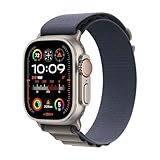
Apple Watch SE (2nd Gen)
Crash detection, heart rate monitoring, workout tracking & seamless iPhone integration.
🔗 Amazon affiliate link — support CalcFast at no extra cost

Samsung Galaxy Watch 6
BIA body composition, advanced sleep tracking, sapphire crystal display & Wear OS.
🔗 Amazon affiliate link — support CalcFast at no extra cost

Xiaomi Smart Band 9
Ultra-affordable fitness band with AMOLED display, 150+ sport modes & 21-day battery.
🔗 Amazon affiliate link — support CalcFast at no extra cost

Amazfit GTR 4
Dual-band GPS, 14-day battery, Alexa built-in, 150+ sport modes & health monitoring.
🔗 Amazon affiliate link — support CalcFast at no extra cost

Garmin Forerunner 265
AMOLED running watch with training readiness, race predictor & advanced running dynamics.
🔗 Amazon affiliate link — support CalcFast at no extra cost
🔗 Amazon affiliate link — support CalcFast at no extra cost
Comparison Table
| Tracker | Type | GPS | Battery | Price | Best For |
|---|---|---|---|---|---|
| Fitbit Charge 6 | Band | Yes | 7 days | $140 | Best all-around tracker |
| Garmin Venu 3 | Watch | Yes | 14 days | $450 | Fitness enthusiasts |
| Apple Watch SE | Watch | Yes | 18 hrs | $249 | iPhone users |
| Samsung Galaxy Watch 6 | Watch | Yes | 40 hrs | $240 | Android / Samsung users |
| Xiaomi Band 9 | Band | No | 21 days | $36 | Best budget pick |
| Amazfit GTR 4 | Watch | Yes | 14 days | $200 | Best mid-range value |
| Garmin Forerunner 265 | Watch | Yes | 13 days | $350 | Serious runners |
Frequently Asked Questions
How accurate are fitness tracker calorie counts?
Fitness trackers typically overestimate calorie burn by 15-30%. Heart rate-based estimates are more accurate than step-based ones. Use tracker calories as a relative guide rather than an absolute number. Cross-reference with our TDEE Calculator for a more reliable baseline.
Should I get a fitness band or smartwatch?
If you primarily want health and fitness tracking with long battery life, a fitness band (Fitbit Charge 6, Xiaomi Band 9) is ideal. If you want apps, notifications, calls, and payments alongside fitness features, choose a smartwatch. Bands are lighter and less distracting; watches are more versatile.
Is the Apple Watch good for fitness?
Yes, the Apple Watch is excellent for fitness tracking with accurate GPS, heart rate monitoring, and a huge library of workout apps. Its main weakness is battery life (18-36 hours). If battery matters more than apps, Garmin or Amazfit are better choices.
Do I need GPS in my fitness tracker?
If you run, cycle, or hike outdoors and want accurate distance and route mapping, built-in GPS is essential. For gym workouts, walking, and general step counting, connected GPS (using your phone) or no GPS is perfectly fine.
How often should I replace my fitness tracker?
Most fitness trackers last 2-4 years before battery degradation becomes noticeable. Software updates typically continue for 3-5 years. Replace when the battery no longer lasts a full day or when you want newer health sensors.
Buying Tips
- Try it on first if possible: Comfort is everything for a 24/7 wearable. Visit a store to check fit and weight.
- Don't overspend on features you won't use: If you don't run outdoors, you don't need premium GPS. The Xiaomi Band 9 covers most people's needs.
- Check subscription costs: Fitbit Premium, Samsung Health+, and some Garmin features require monthly subscriptions. Factor this into total cost.
- Buy during sales: Fitness trackers see major discounts during Amazon Prime Day, Black Friday, and holiday sales. Savings of 20-40% are common.
- Pair with nutrition tracking: The real power of fitness data comes when combined with nutrition. Use our Calorie Calculator to set daily targets based on your activity level.
Related CalcFast Tools
Maximize your fitness tracker data with these free calculators:
- Calorie Calculator -- Set daily calorie targets based on activity
- TDEE Calculator -- Calculate Total Daily Energy Expenditure
- BMI Calculator -- Check your Body Mass Index
- Heart Rate Zone Calculator -- Find your optimal training zones
- Body Fat Calculator -- Estimate your body composition